

Many people don’t know the true value of using flavourings in food. There are thousands of flavourings that have been created over the past couple of centuries. The first flavourings were used in food to food to make it more appealing and preserve it for longer. Today, there are flavourings in food to enhance the taste and smell of the food. It’s not that the original flavourings that were used in food just disappeared; they have evolved into new flavours that can be used in food and beverages today.

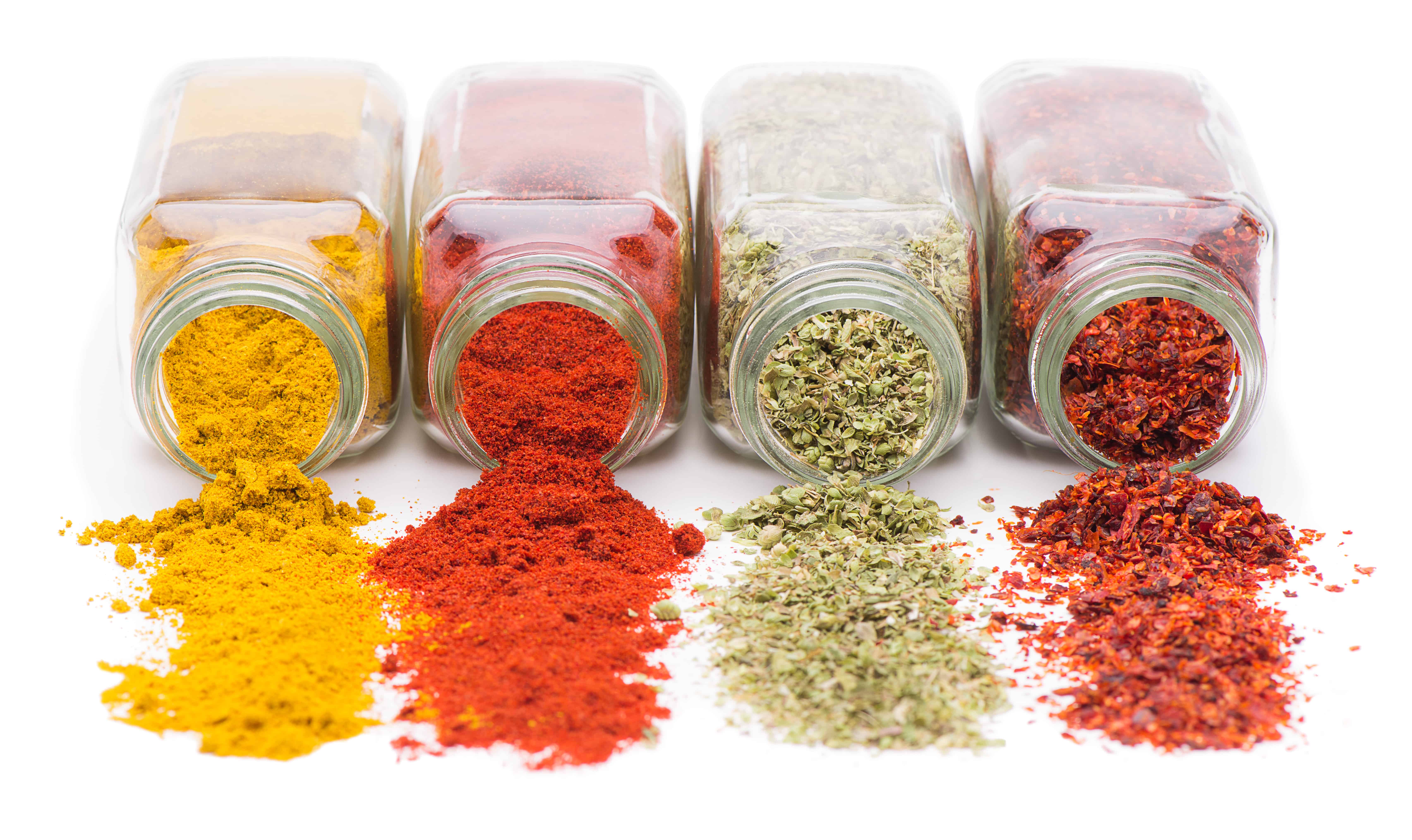
The most used flavourings in food today are colourings and flavouring oils. They add a different flavour and look to the food. Some of the most common flavourings that are used in food today are: butter, vanilla, chocolate, and lemon extract. These flavourings are all made up of essential oils and these oils can be found in many different varieties. For Organic Vanilla Extract, you can Find out more about organic vanilla extracts at a site like Foodie Flavours.


The flavouring oils used in food are often made from vegetable oils. Some of the oils that are used for flavouring are: olive oil, grapeseed oil, sunflower oil, avocado oil, almond oil, macadamia oil, safflower oil and sesame oil. All these oils have different properties that affect the taste and smell of the food they are in. Some of these oils like grape seed oil, sunflower oil, avocado oil and macadamia oil can help prevent the spoilage of foods. Other flavourings can help prevent the formation of harmful bacteria in the mouth, for example.
How taste, aroma and mouthfeel work together
What we think of as the taste of food is really a combination of aroma, flavour and mouthfeel, picked up by receptors in both the mouth and the nose. Most flavourings work mainly through aroma compounds and do little for taste or texture on their own. Some, such as savoury flavourings, also contain compounds that affect taste, but in most products the taste comes from the other ingredients.
Understanding this makes it easier to use flavourings well at home. Healthy eating does not have to mean bland food, and there is far more choice than salt and pepper. Some people prefer organic or natural flavourings, which is fine as long as the result is something you enjoy eating.
Herbs are another simple option, and some are easier to cook with than others, so it is worth starting with a few familiar ones and building from there. Plenty of recipes show how to flavour a wide range of dishes. In the end, the only real limits are your imagination and your own preferences.
Smell, taste and the history of preserving
Flavourings do more than make food taste good. One reason they are used is aroma. Food that smells good makes us feel hungry and enjoy what we eat more, which is why chefs often use herbs and spices generously, aiming for dishes that are full of flavour without being overpowering.
Our palates have also changed over the past few decades. People now look for new and exciting flavours from around the world, and there is a far wider range of flavourings available for home cooking and in restaurants than there once was.
The other reason goes back much further. Before electricity and refrigerators, salt was added to food to preserve it. Salt and seasonings helped stored food stay as fresh and appetising as possible when it had been kept in less than ideal conditions. Many of the flavours we still enjoy today began as practical ways of making food last longer.